Course Content
Module 1: Foundations of Transthyretin Amyloidosis
Understanding Amyloidosis: Biology, Hereditary Risk, and Global Barriers to Care: This module lays the foundation for understanding amyloidosis, with a focus on its cardiac manifestations and global disparities in diagnosis and care. Learners are introduced to the pathophysiology of systemic amyloidosis, the classification of major subtypes (including AL, ATTR, and AA), and the critical distinction between hereditary and wild-type transthyretin amyloidosis (hATTR and wtATTR). Special emphasis is placed on the genetic diversity and underdiagnosis of hATTR in African-descended populations. The module concludes with a discussion of structural, economic, and policy barriers to early detection and treatment, especially in low-resource settings such as Kenya, while highlighting future innovations that can support more equitable care delivery.
0/5
Module 2: Diagnosing ATTR-CM (Introduction and Step 1 – Recognizing Red Flags to Initiate Timely Workup)
Delayed diagnosis of transthyretin cardiac amyloidosis (ATTR-CM) leads to irreversible cardiac damage and poor outcomes. This module introduces the foundational diagnostic approach endorsed by international cardiology societies and focuses on Step 1: Identifying red flags that warrant further investigation. Learners will explore demographic risk factors, extracardiac manifestations, and diagnostic patterns observable on ECG, echocardiography, and laboratory testing. Early identification is critical, especially in African populations, where hereditary forms may be more prevalent. Designed for frontline clinicians, this module bridges clinical intuition with structured diagnostic algorithms to accelerate diagnosis and improve outcomes in Kenya and similar settings.
0/12
Module 3: Confirming the Diagnosis: Step 2 – Monoclonal Protein Screening and Bone Scintigraphy in ATTR-CM
This module addresses Step 2 of the ATTR-CM diagnostic algorithm, where laboratory and imaging techniques merge to confirm disease subtype. Learners will first explore how to effectively perform monoclonal protein screening using serum/urine immunofixation and serum-free light chain assays. Emphasis is placed on the importance of excluding AL amyloidosis before proceeding with imaging due to its aggressive nature and distinct management. In the second half of the module, learners will dive into the use of technetium-labeled nuclear scintigraphy (e.g., 99mTc-PYP), understanding image interpretation via the Perugini grading system and H/CL ratio. Advanced techniques like SPECT, PET/CT, and 123I-mIBG are introduced, along with clear guidance on when biopsy remains necessary. Through clinical cases and structured interpretation tools, this module enables practitioners to navigate complex diagnostic decisions with clarity and confidence.
0/6
Module 4: Subtype Classification in Cardiac Amyloidosis: Tissue Biopsy, Genetic Testing, and Cardiac MRI (Steps 3 and 4)
After red flag identification and nuclear imaging, precise classification of amyloid subtype becomes critical to guide treatment. This module covers Steps 3 and 4 of the ATTR-CM diagnostic algorithm, focusing on diagnostic stratification through tissue biopsy, genetic sequencing, and multiparametric CMR imaging. Learners will master the decision-making process when imaging and lab findings are discordant, distinguish hereditary from wild-type ATTR, and interpret imaging biomarkers for disease burden and prognosis. The module aligns with international consensus guidelines (ESC, AHA, ACC) and prioritizes applicability in African settings, where hereditary forms may be under-recognized and misclassified.
0/8
Module 5: Steps 5, 6 & 7 – From Risk to Response: Staging, Treatment, and Monitoring in ATTR-CM
After confirming a diagnosis and classifying the subtype of cardiac amyloidosis, clinicians must shift their focus to prognostication, therapeutic planning, and long-term follow-up. Module 5 walks learners through Steps 5 to 7 of the ESC-endorsed diagnostic algorithm. Starting with risk stratification using biomarker-based staging systems (Mayo and NAC), the module transitions into available disease-modifying and supportive treatments for both ATTR-CM and AL-CM. It concludes with a practical guide to follow-up, emphasizing biomarker surveillance, imaging, and functional status assessment. By bridging early diagnosis with responsive care planning, this module supports clinicians in improving outcomes and extending quality-adjusted life expectancy for patients with amyloidosis in Kenya.
0/5
Module 6: Beyond the Guidelines: Real-World Cases in ATTR Amyloidosis Diagnosis
ATTR cardiac amyloidosis is a complex and evolving field where textbook algorithms often fall short. This case-based module presents five diverse patients whose symptoms, imaging, and pathology illustrate diagnostic nuances not always captured in traditional pathways. Through lessons on discordant imaging, refractory HFpEF, multimodal imaging concordance, hereditary systemic involvement, and rapid progression, learners will explore how to synthesize findings from echocardiography, nuclear imaging, CMR, tissue biopsy, and genetic testing. This module empowers clinicians to apply diagnostic reasoning in challenging presentations and avoid misdiagnosis or treatment delays.
0/4
ATTR-CM Comprehensive Knowledge Assessment Quiz
0/1
ATTR Cardiac Amyloidosis
    About Lesson

    When Imaging Disagrees: The Role of Biopsy in Diagnosing ATTR-CM
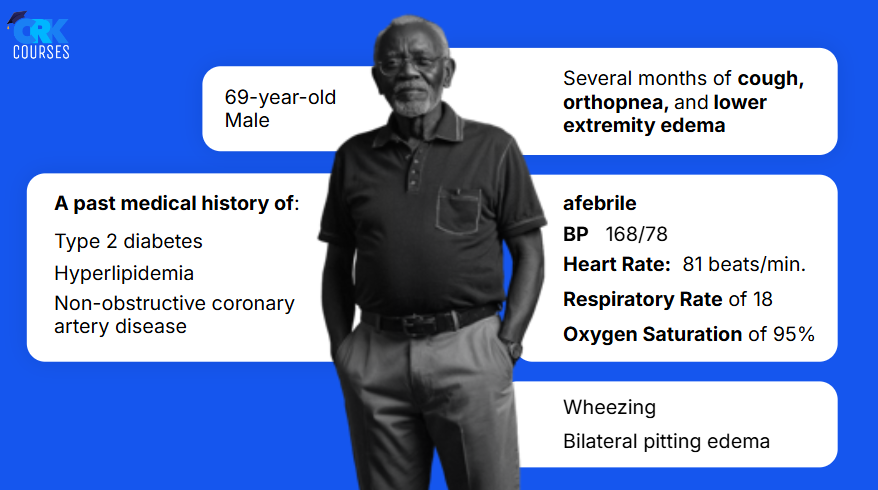
    When Imaging Disagrees: The Role of Biopsy in Diagnosing ATTR-CM

    Lesson Abstract

    Not all cases of transthyretin cardiac amyloidosis (ATTR-CM) follow the textbook diagnostic pathway. This lesson examines a complex case of wild-type ATTR-CM with discordant imaging results—normal nuclear scintigraphy but abnormal CMR findings, ultimately diagnosed via endomyocardial biopsy. Learners will review diagnostic red flags, limitations of bone scintigraphy, and the interpretive nuances of CMR and laboratory testing. Emphasis is placed on recognizing when to escalate to biopsy and how to integrate all available data in ambiguous or early-stage presentations. This case reinforces that clinical suspicion, even in the face of conflicting test results, must guide definitive diagnosis and early treatment.

    Learning Objectives

    By the end of this lesson, you will be able to:

    1. Recognize the limitations of nuclear scintigraphy in diagnosing ATTR-CM.
    2. Identify CMR findings that raise suspicion for amyloid cardiomyopathy.
    3. Understand the diagnostic value of endomyocardial biopsy in discordant cases.
    4. Interpret mildly abnormal monoclonal screening in the context of ATTR-CM suspicion.
    5. Apply a multidisciplinary approach to diagnostic uncertainty in ATTR-CM.

    Note: All patient images used in this lesson are AI-generated and intended for illustrative purposes only. They do not depict real individuals.

    0% Complete